

A Guide to Wood Fence Maintenance: Keeping Your Investment Beautiful
Jake Wellington
January 12, 2024
5 min read
1. Regular Inspections:
Start your maintenance routine with a close inspection of your wood fence. Look for signs of rot, decay, loose boards, or rusting hardware. Identifying issues early allows for prompt repairs.
2. Cleaning:
Cleaning your wood fence is vital to remove dirt, mildew, and stains. Use a mild detergent or specialized wood cleaner and a soft-bristle brush or pressure washer. Be gentle to avoid damaging the wood's surface.
3. Repairs:
Address any issues you discovered during your inspection promptly. Replace rotten or damaged boards, tighten loose screws or nails, and fix leaning posts. Failing to repair problems can lead to more extensive and costly damage.
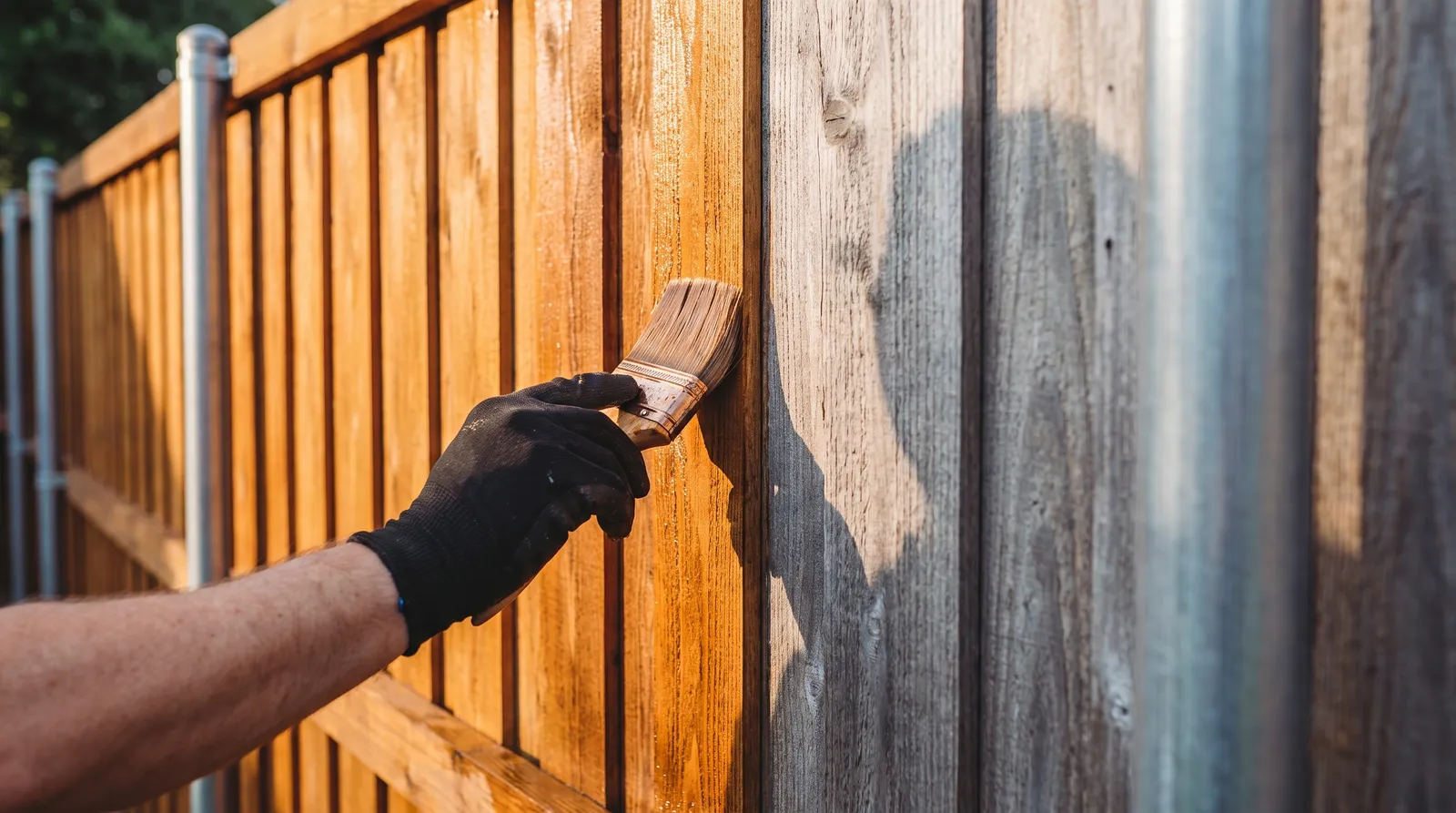
4. Seal or Stain:
Applying a quality wood sealer or stain not only enhances the fence's appearance but also provides protection against moisture and UV rays. Depending on your climate, reapply every 2-3 years to maintain the barrier.
5. Trim Vegetation:
Overhanging branches and creeping plants can accelerate wood decay by trapping moisture against the fence. Regularly trim vegetation to keep it away from the fence.
6. Preventive Measures:
Consider applying a water-repellent coating to the bottom of your fence boards to prevent moisture absorption from the ground. Additionally, install metal caps on fence posts to shield against water damage.
7. Protect Against Termites:
In termite-prone areas, use termite-resistant wood or treat your fence with termite-repellent chemicals to deter infestations.
8. Avoid Sprinkler Contact:
Adjust your sprinklers to avoid direct contact with your wood fence. Constant moisture exposure can lead to premature decay.
Conclusion:
Proper wood fence maintenance is a labor of love that pays off in the form of a long-lasting, beautiful fence. By dedicating time to inspections, repairs, cleaning, and preventive measures, you can ensure that your investment in a wood fence continues to enhance your property's aesthetics and functionality for years to come.